Why payment methods directly impact sales performance
Payment methods are often an underestimated conversion factor. When a preferred payment option is missing, customers may abandon their purchase altogether. According to payment industry data, 17.7% of online shoppers say they have abandoned a cart because their preferred payment method was not available.
This highlights a clear reality. Choosing online payment methods is not a purely technical constraint. It is a strategic decision that has a measurable impact on conversion rates.
Adapting your payment offering to customer habits, geographic location and industry is one of the most effective ways to improve competitiveness and unlock growth.
In this article, we explore the most widely used online payment methods from three complementary perspectives: by industry, by country and by device. The goal is to help you build a coherent, high-performing payment offering while staying agile as usage evolves.
Preferred online payment methods by industry
Each industry has its own characteristics, and customer expectations around payments can differ significantly. Below is an overview of the most relevant payment methods by sector.
Travel and tourism: flexibility and security first
The travel sector is defined by high average order values and purchases that are often planned in advance. Customers expect both strong security and flexible payment options.
Traditional card payments remain central, including Visa and Mastercard, with American Express also widely used by international travellers. Buy Now Pay Later solutions are increasingly popular, allowing customers to spread the cost of expensive purchases such as flights, hotel stays or holiday rentals.
Food retail and food delivery: speed and convenience
In grocery, food delivery and click-and-collect services, speed and simplicity are critical.
Card payments form the foundation, but digital wallets such as Apple Pay, Google Pay and PayPal are seeing strong adoption, particularly on mobile. These solutions allow customers to complete purchases in seconds without re-entering card details.
For corporate catering and office food delivery, digital meal vouchers represent a strong competitive advantage, helping merchants attract and retain professional customers.
Culture and events: handling peaks and diversifying options
Ticketing platforms for concerts, cultural events and sporting fixtures must handle sharp traffic peaks while delivering a smooth checkout experience.
Card payments and digital wallets dominate, while instalment payments are increasingly used for premium tickets or annual subscriptions. In some markets, digital holiday vouchers can also be accepted for cultural or tourism-related events.
Beyond payment method diversity, the key challenge in this sector is ensuring service continuity during high-demand sales periods and limited releases.
Fashion, home and décor: enabling impulse purchases
In fashion, home and décor, purchases are often emotional or impulse-driven. Customers value frictionless journeys and flexible payment options.
While card payments remain dominant, deferred and instalment payments are increasingly popular. These options reduce budget friction, increase average order value and can trigger purchase decisions.
Gift cards are also an effective conversion and loyalty lever, especially during peak retail periods. Studies show that gift cards can represent a meaningful share of revenue for fashion retailers and often generate additional spend beyond their initial value.
Home appliances and equipment: reassurance for high-value purchases
Purchasing household appliances or equipment typically involves higher amounts. Customers look for reassurance, strong security and flexible payment options.
Instalment payments have become an expected standard in this category. Solutions such as Klarna, Oney, Floa, Cofidis or Cetelem allow customers to spread payments without adding friction.
Digital wallets complement the offering for customers who prioritise speed, while card payments remain the foundation of trust.
Payment preferences by country: adapting to local habits
If you sell internationally, or even across multiple European markets, payment habits can vary significantly. Offering locally preferred payment methods builds trust and reduces friction.
France: cards and digital wallets
In France, card payments remain the dominant method for online purchases. Digital wallets such as PayPal, Apple Pay and Google Pay continue to grow, driven by mobile usage. Deferred payment solutions are also gaining traction, particularly among younger consumers.
Belgium: Bancontact as the standard
In Belgium, Bancontact is the dominant domestic payment method. Failing to offer it can lead to significant conversion loss. Payconiq has also been widely used for mobile payments, with Wero set to replace it in the coming years.
Spain: Bizum as a mobile reflex
In Spain, Bizum has become the reference mobile payment solution, with tens of millions of active users. While card payments remain common, excluding Bizum is a strategic mistake when targeting Spanish customers.
Netherlands: iDEAL as a must-have
In the Netherlands, iDEAL dominates online payments. It allows customers to pay directly through their online banking environment and is essential for market entry.
Portugal: Multibanco and MB Way
In Portugal, Multibanco remains the historic payment network, while MB Way is the preferred mobile solution among younger users. Both are essential when targeting Portuguese consumers.
Germany: bank transfers and instant payments
In Germany, bank transfers are still highly valued for their perceived security. Instant transfer solutions such as Klarna Pay Now meet this expectation while maintaining a smooth online experience. Cards and PayPal complement the offering, but local preferences remain strong.
Asia: Alipay and WeChat Pay
For merchants targeting Chinese customers, Alipay and WeChat Pay are essential. These mobile payment giants dominate Asian markets and are widely used by Chinese tourists in Europe.
Mobile vs desktop: different devices, different expectations
Payment behaviour also varies depending on the device used.
Mobile payments: speed above all
On smartphones, customers expect instant, frictionless checkout. Younger users in particular shop in dynamic contexts and abandon carts quickly if payment is slow or complex.
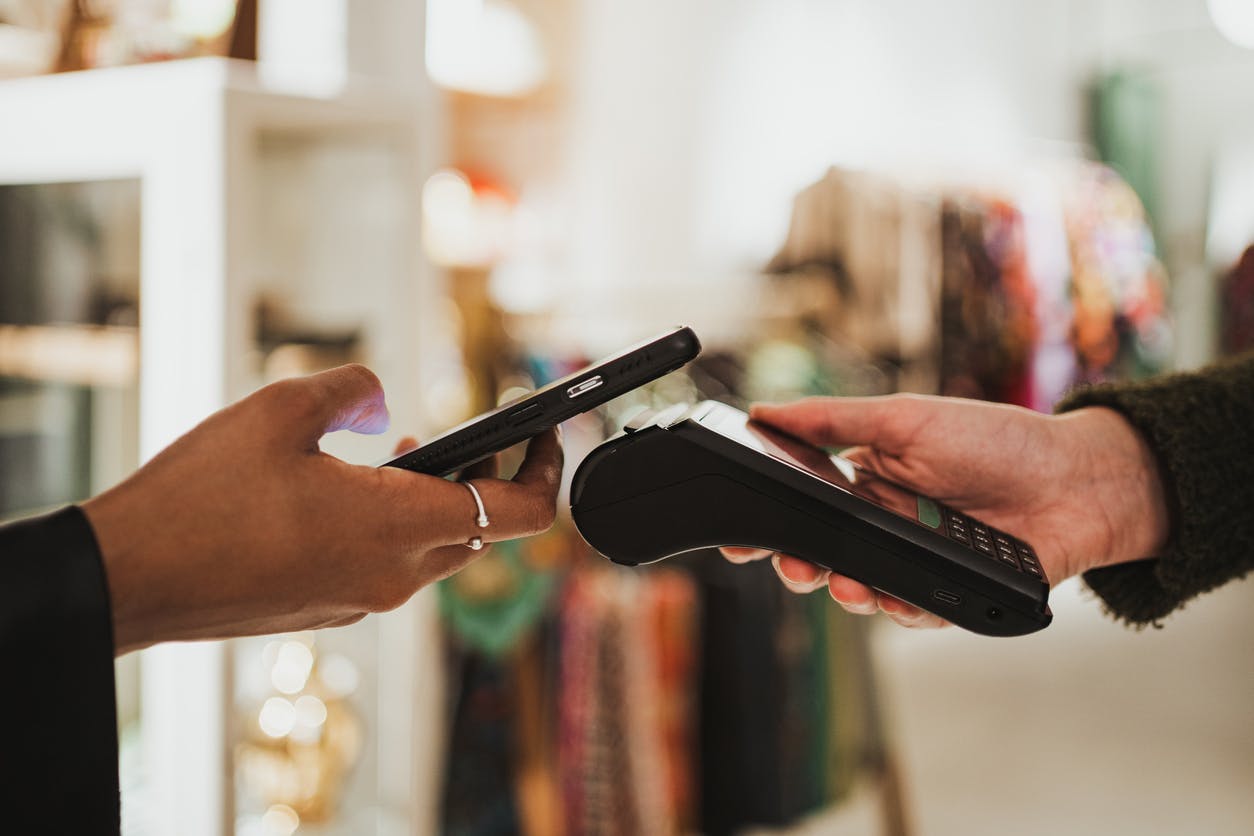
Digital wallets are strongly preferred on mobile, enabling fast, biometric-authenticated payments without manual data entry.
Desktop payments: confidence for high-value purchases
Desktop remains the preferred channel for larger or more complex purchases such as travel, appliances or subscriptions.
Older users in particular value the sense of control, ease of comparison and perceived security offered by larger screens. Card payments, bank transfers, PayPal and deferred payment options remain the most trusted methods in this context.
Delivering a consistent experience across devices
Regardless of device, the goal is to provide a coherent and reassuring payment experience. Payment pages should adapt automatically, display relevant payment methods based on context and eliminate friction.
Smart display features allow merchants to show the most relevant payment options based on country, basket value or device, improving user experience and conversion rates.
How to choose the right online payment methods for your business
With such diverse usage patterns, building an effective payment offering requires a structured approach.
Start by understanding your customers. Analyse where they are located, which devices they use and how they shop. Your analytics and customer feedback are valuable sources of insight.
Build a solid foundation with core payment methods, then add complementary options based on your industry and target markets. The objective is not to offer everything, but to offer what truly matters to your customers.
Finally, stay agile. Payment habits evolve quickly. Choose a payment service provider that allows you to add or adjust payment methods easily, without heavy technical changes.
The tangible benefits of a tailored payment offering
A well-adapted payment strategy delivers concrete business benefits. It reduces cart abandonment by removing friction, increases average order value through instalment payments, improves customer satisfaction and loyalty, and facilitates international expansion by aligning with local payment habits.
Monext: your partner for payment strategy
Monext supports merchants in building payment solutions tailored to their business needs.
Our catalogue covers all major international payment methods as well as local and industry-specific solutions. Our technology adapts to your sector and customer habits, whether you operate in travel, food service, retail or events.
Features such as smart payment display, recurring payments and payment links simplify daily operations and enhance customer experience.
Want to learn more about the online payment methods best suited to your business? Explore all our integrations or contact our teams for personalised support.